Why Brighton basements take on water
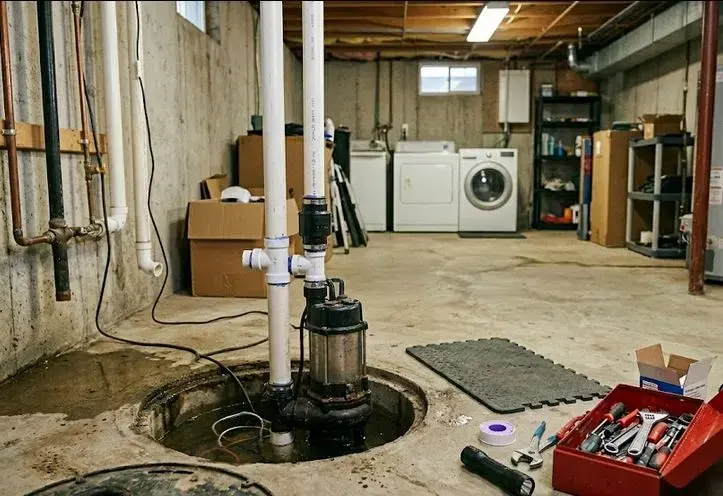
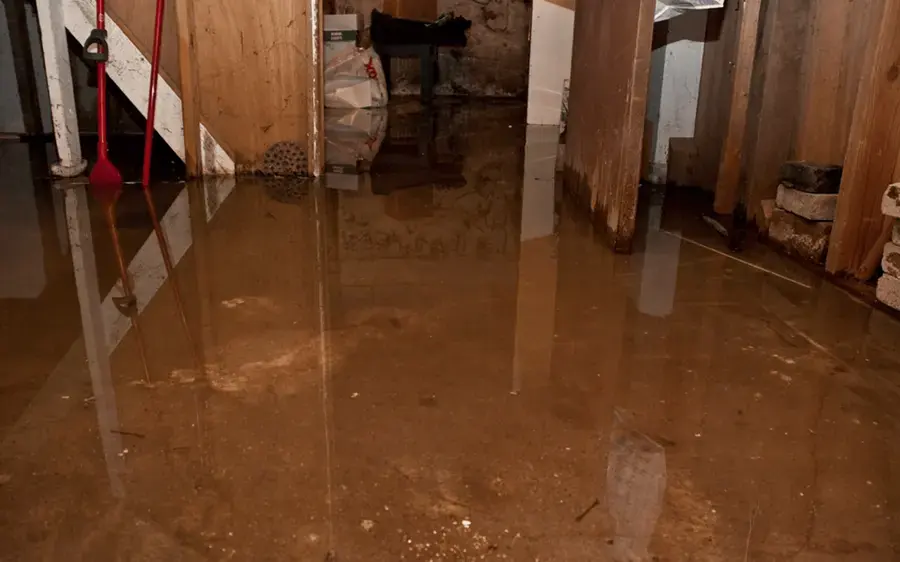
Brighton grew fast from the late 1990s on, and nearly every new house came with a basement, many finished soon after. Much of the city sits on the plains east of the South Platte River, where river-bottom soil keeps ground water shallow and expansive clay swells when wet. That combination is why so many Brighton basements have foundation drains that feed a sump pit.
- Ground water pushing through slab cracks and wall penetrations in wet springs
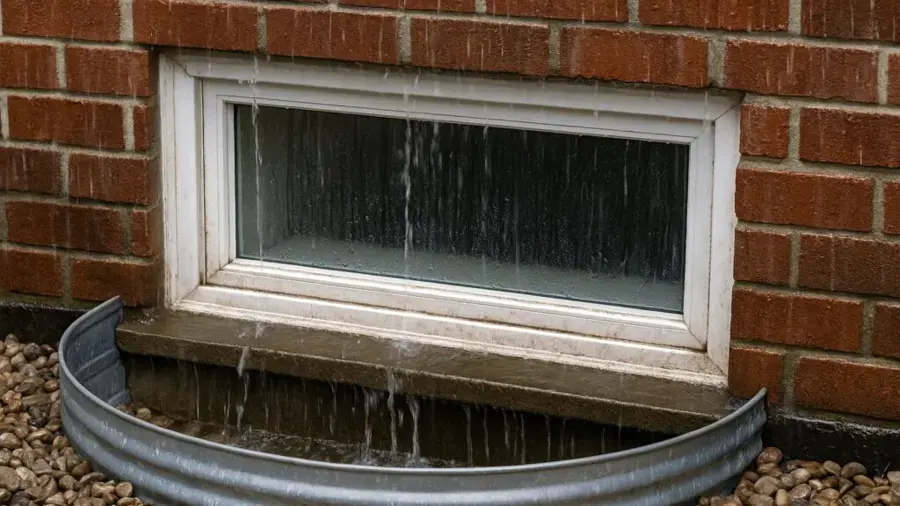
- Window wells that fill in a summer cloudburst and pour through the window
- Burst supply lines and failed water heaters in basement utility rooms
- Floor drain backups when the sewer main is overloaded
How a flooded basement is dried
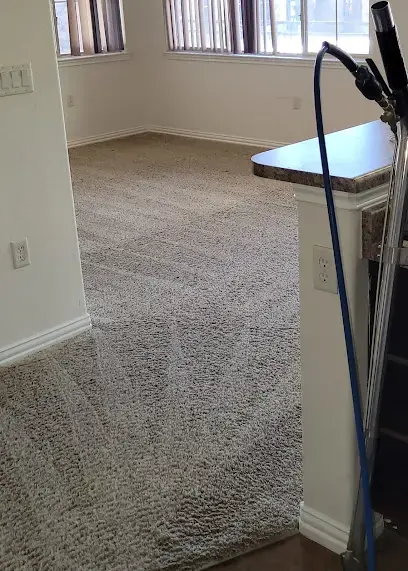
The extraction crew pumps out deep water and extracts carpet. The tech who does the walkthrough maps moisture on the slab, bottom plates, drywall and framing. Wet pad comes out, and drywall wicked above a couple of feet gets a flood cut so the wall cavity can dry. Basements run cool, so the drying team often uses desiccant dehumidifiers, which keep pulling moisture out of cold air, and records readings every day.
Water that came up a floor drain is Category 3 the moment it happens. See sewage backup cleanup for how that changes the work.
Lowering the odds of the next one
Keep window well drains clear, test the sump pump each spring, and make sure downspouts discharge well away from the foundation. The sump pump failure cleanup and window well flooding cleanup pages cover those two sources. FEMA flood maps show whether a property sits in a mapped flood zone near the river, and Colorado State University Extension publishes home and soil guidance for the Front Range.