Why extraction comes before drying
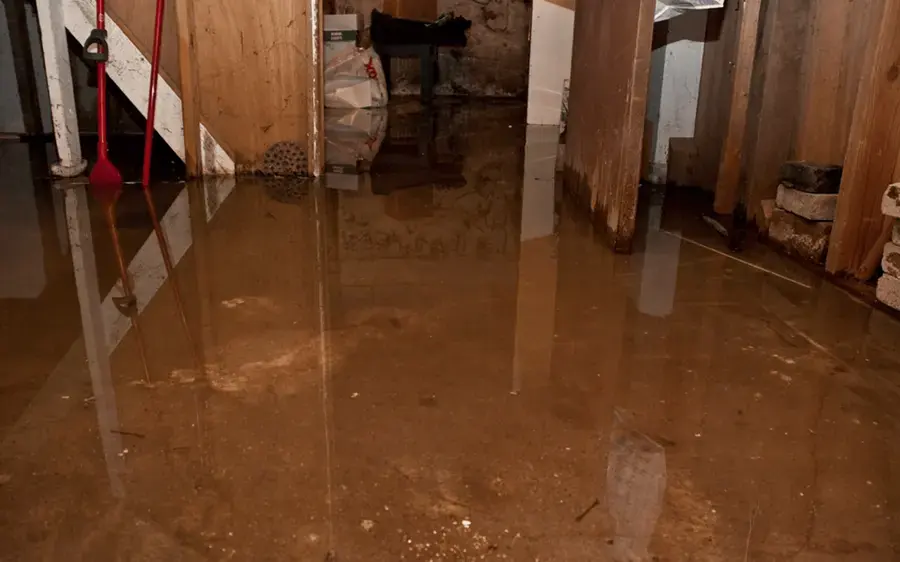
Air movers and dehumidifiers remove water as vapor, a few gallons a day per unit. A flooded basement can hold hundreds of gallons. That is why the extraction crew pulls the liquid first: every gallon removed with a wand or a pump is a gallon the dehumidifiers never have to evaporate, which cuts days off the dry-out.
In Brighton, most extraction calls come from basements. Nearly every house built in Bromley Park, Brighton Crossing and Prairie Center has one, and many are finished with carpet and drywall that soak up water quickly.
How the extraction crew works a wet house
- Truck-mounted extraction parked outside, with hoses run in, so the water leaves the house
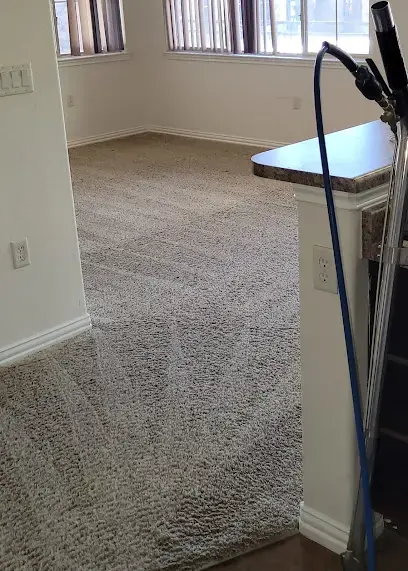
- Weighted extraction tools that press water out of carpet and pad
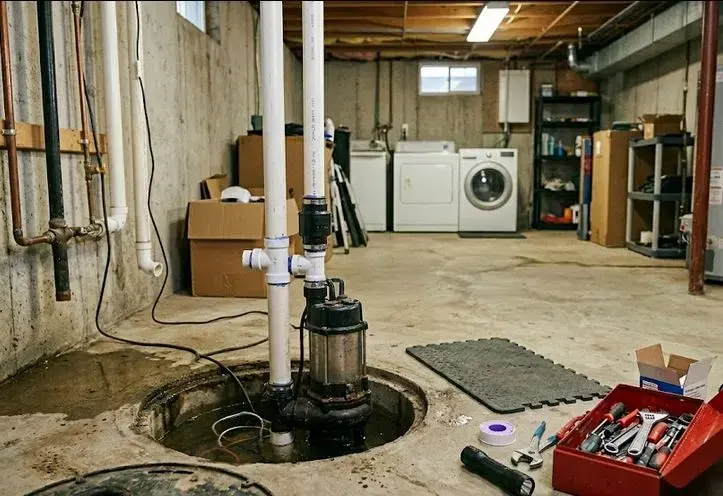
- Submersible pumps for water deeper than a couple of inches
- Moisture mapping with pinless meters and thermal imaging to find the edges of the wet area
Carpet pad under Category 1 water is often removed even when the carpet is saved, because pad holds water like a sponge. If the water came from a floor drain or a toilet, it is Category 3 and the rules change; see sewage backup cleanup.
Extraction is the cheapest part of a dry-out. The longer water sits, the more material has to come out later.
After the water is out
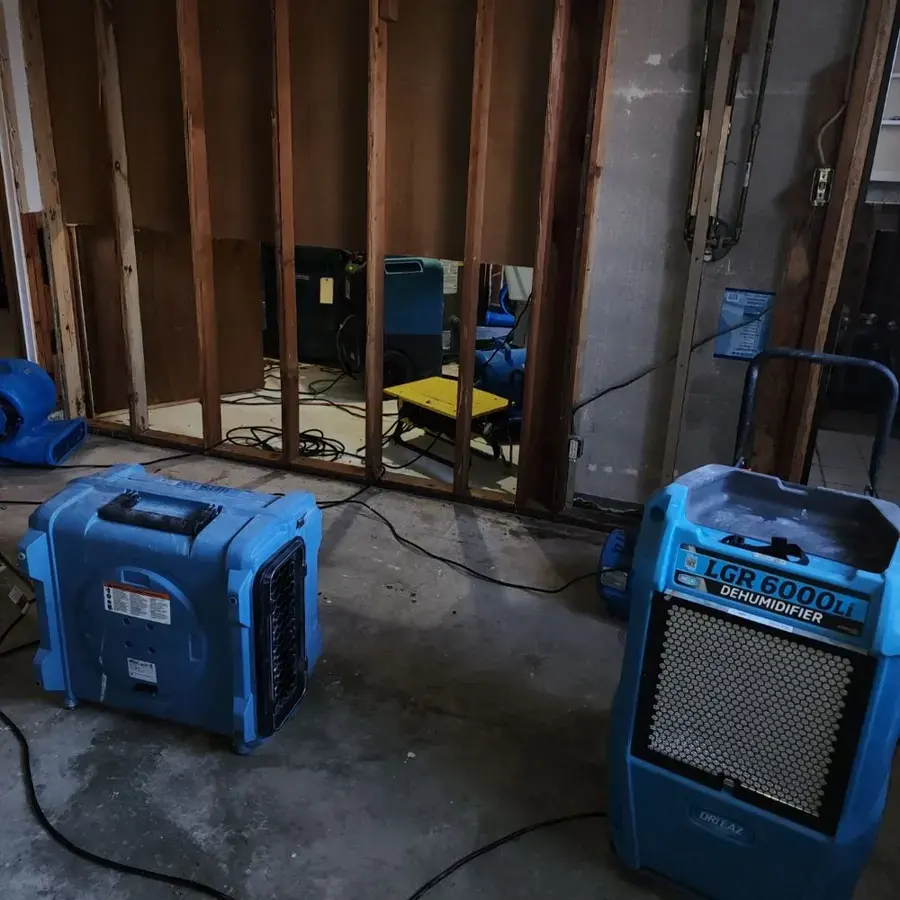
Once the floors stop squishing, the drying team sets air movers and LGR dehumidifiers and starts daily readings. The structural drying page covers that phase in full. For flood safety basics, Ready.gov flood safety is a solid reference, and FloodSmart.gov explains how flood coverage differs from a standard homeowners policy.