Why so many Brighton basements have a sump pit
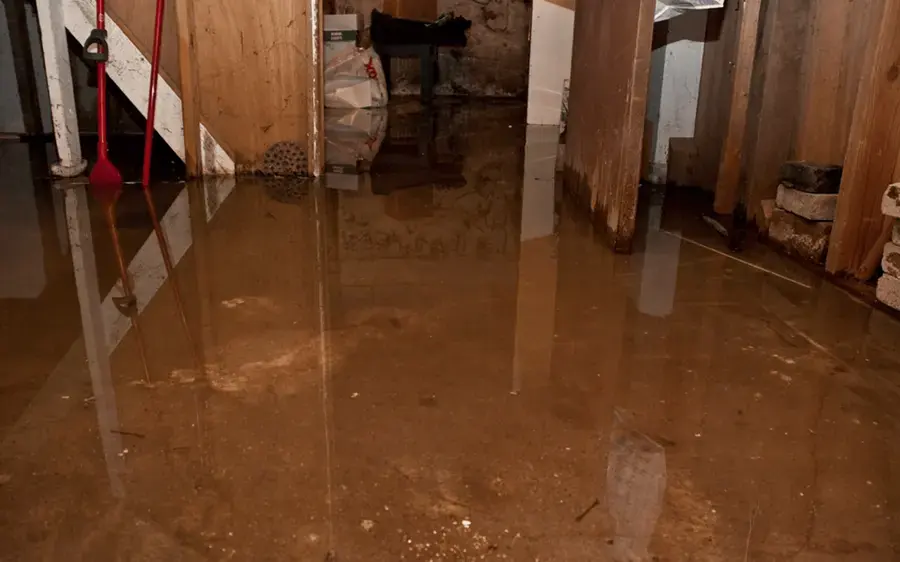
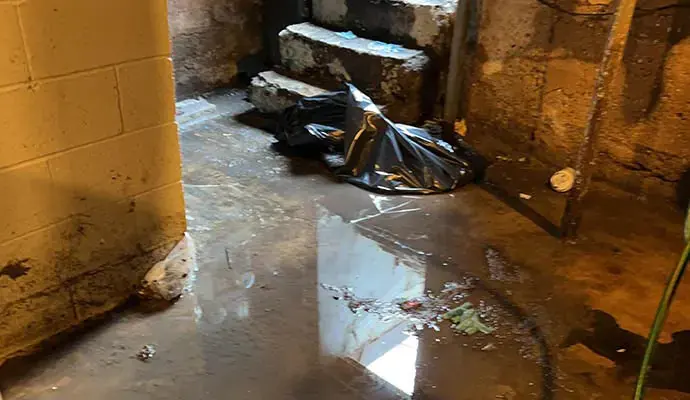
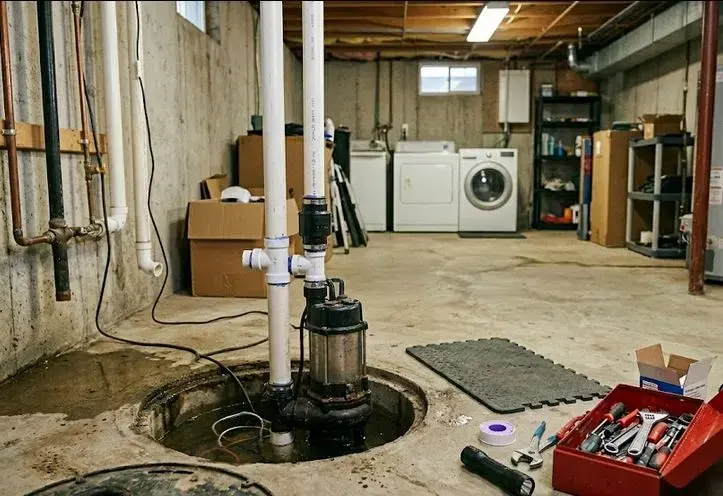
Expansive clay covers much of the Front Range plains, and land near the South Platte River and Barr Lake carries shallow ground water. Builders answered with perimeter foundation drains that carry water to a pit, and a pump that lifts it outside. When that pump stops, the drains keep delivering water, and it has nowhere to go but the basement floor.
- Power outages during the same summer storms that soak the ground
- Float switches that stick against the side of the pit
- Worn motors, often in pumps that run constantly in a wet spring
- Discharge lines that freeze in winter or dump water right back at the foundation
Pumping out and drying
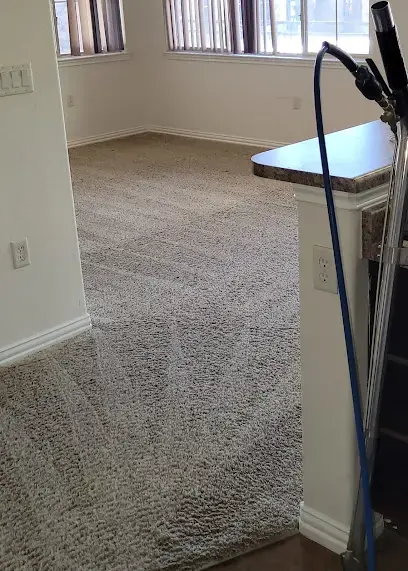
The extraction crew brings submersible pumps for standing water and truck-mounted extraction for carpet and pad. The tech who does the walkthrough maps moisture on walls, framing and slab, and wet pad and lower drywall come out when readings call for it. Because basements are cool, the drying team often runs desiccant dehumidifiers and logs readings every day until the goal is met. The basement flooding cleanup page covers basement drying in more detail.
A battery backup or second pump keeps the pit working in a power outage, which is exactly when a Front Range thunderstorm is filling the foundation drains.
Preventing the next failure
Test the pump each spring by pouring a bucket of water into the pit, keep the float clear of the pit wall, and run the discharge well away from the house. The Ready.gov power outage page covers storm season preparation, and the National Weather Service thunderstorm safety page explains the storms that knock power out. If water also came through a window, see window well flooding cleanup.