How storm water gets into Brighton homes
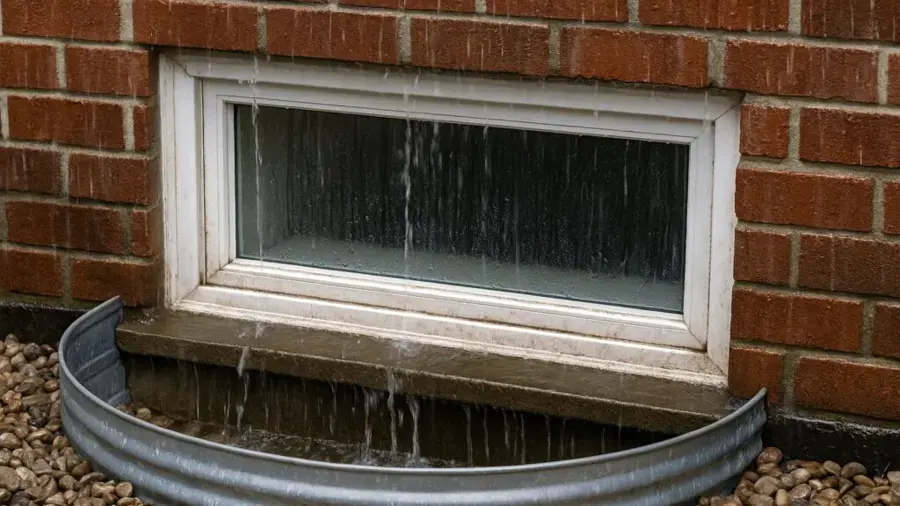
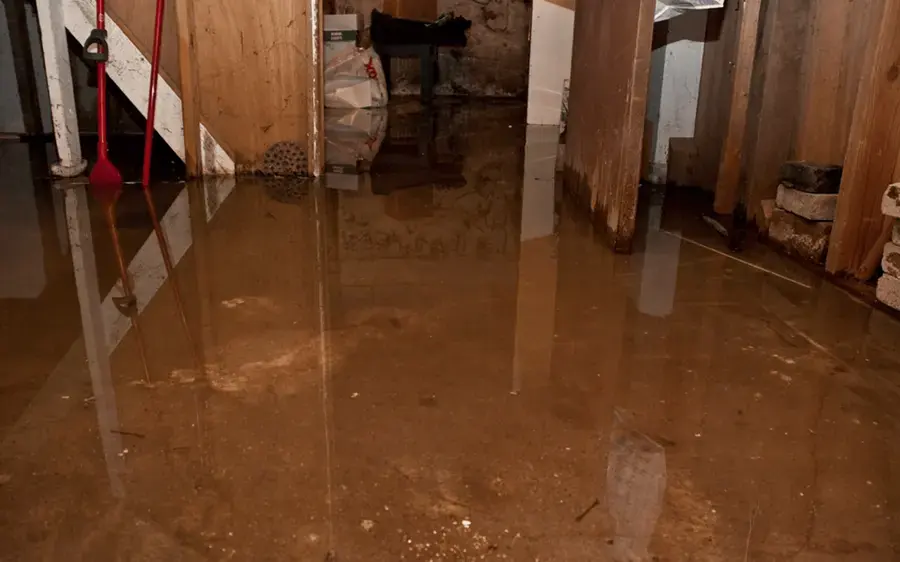
Brighton gets about 15 inches of precipitation a year, but much of the summer total can arrive in short, violent thunderstorms. When an inch of rain falls in half an hour on clay soil that sheds water, yards, streets and ditches overflow, and water heads for the lowest opening: a window well, a walkout basement door, a garage slab. Low ground near the South Platte River and the irrigation ditches that run beside it is most exposed when the river is high.
- Flash flooding of streets and yards in summer cloudbursts
- Window wells overflowing into basements (see window well flooding cleanup)
- Sewer systems overloaded during the same storms
- River-bottom flooding in wet years near the South Platte
Why flood water is handled as Category 3
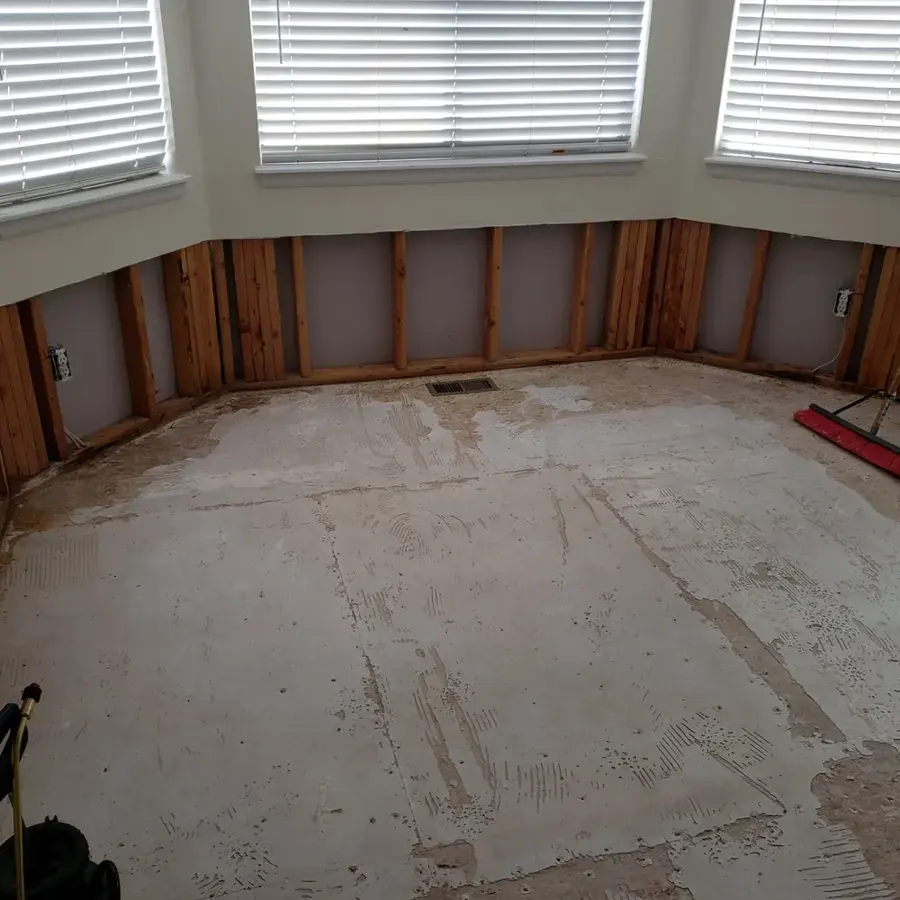
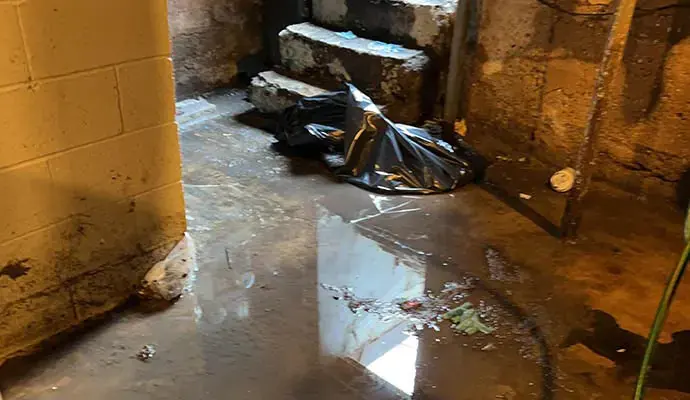
Surface water runs over lawns, streets and fields and picks up soil, fertilizer, oil and sewage. The restoration team treats it as Category 3: the extraction crew pumps out water and mud, the mitigation team removes carpet, pad, drywall and insulation it touched, cleans hard surfaces, applies an EPA-registered antimicrobial and then dries the structure with daily readings.
Flood insurance is a separate policy from homeowners insurance. Many homes outside mapped flood zones do not carry it.
Know your flood risk
FEMA flood maps show mapped flood zones along the South Platte, and FloodSmart.gov explains flood coverage and waiting periods. If a floor drain backed up during the storm, see sewage backup cleanup.