Why Brighton water heaters fail in basements
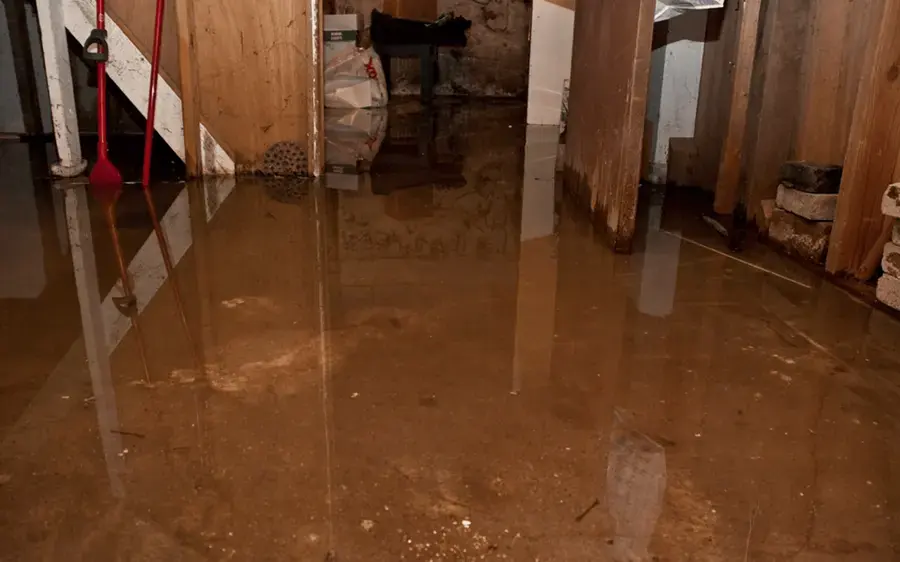
Tank water heaters usually last around 8 to 12 years, and much of Brighton's housing went up in the late 1990s and 2000s, so many original tanks have been replaced once already and many more are due. The tank sits on the basement slab, often in a utility room framed right next to a finished rec room, so water from a failure runs under the wall and into the carpet.
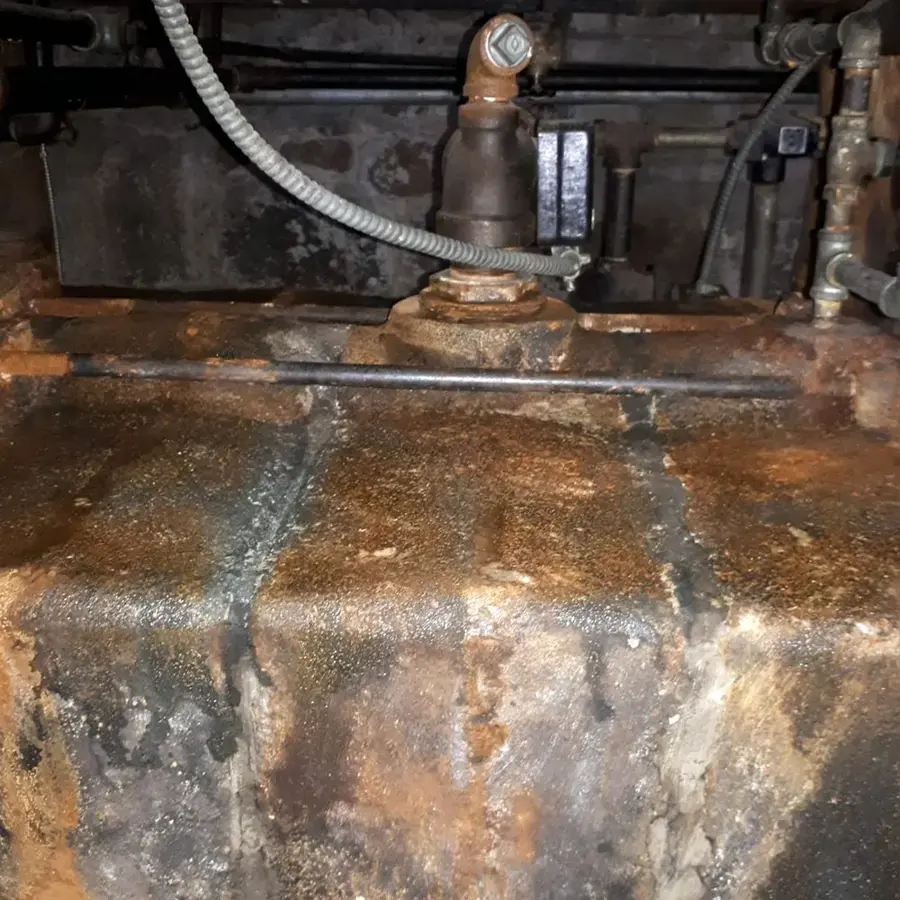
- Tanks that rust through at the bottom seam
- Temperature and pressure relief valves that open or leak
- Failed supply connectors and drain valves
- Burst tanks that release the full volume at once
How the utility room and basement are dried
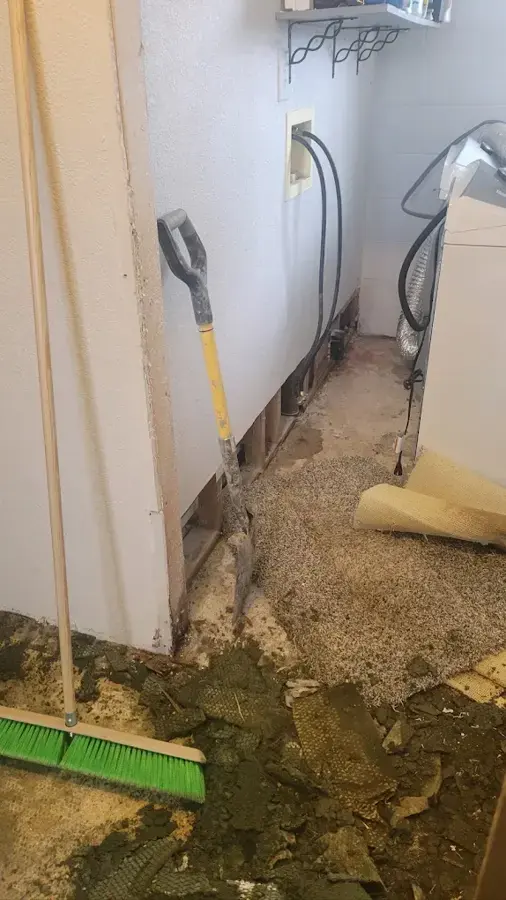
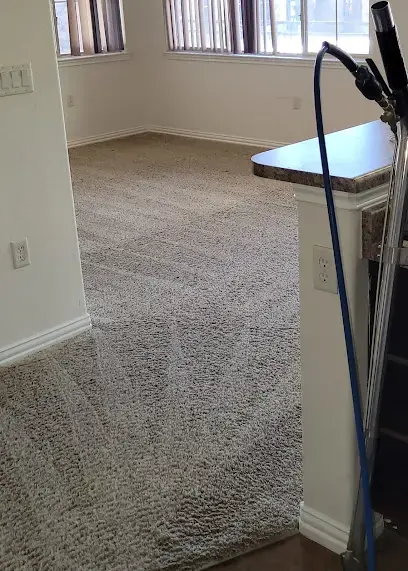
The extraction crew pulls standing water off the slab and out of nearby carpet. The tech who does the walkthrough maps moisture under the wall plates and in the carpet next door, because water wicks under walls without showing. Wet pad comes out and lower drywall is dried in place or opened if readings stay high. Basements are cool, so the drying team often uses desiccant dehumidifiers. See basement flooding cleanup for larger basement losses.
A drain pan with a line to the floor drain, and a leak sensor on the floor, catch a slow tank leak early.
Replacing and preventing
A plumber replaces the heater; drying continues until readings reach the goal. The U.S. Department of Energy water heating page covers tank life and maintenance, and the Consumer Product Safety Commission lists water heater recalls. For washer and dishwasher leaks, see appliance leak water damage.