Why sewage is handled differently
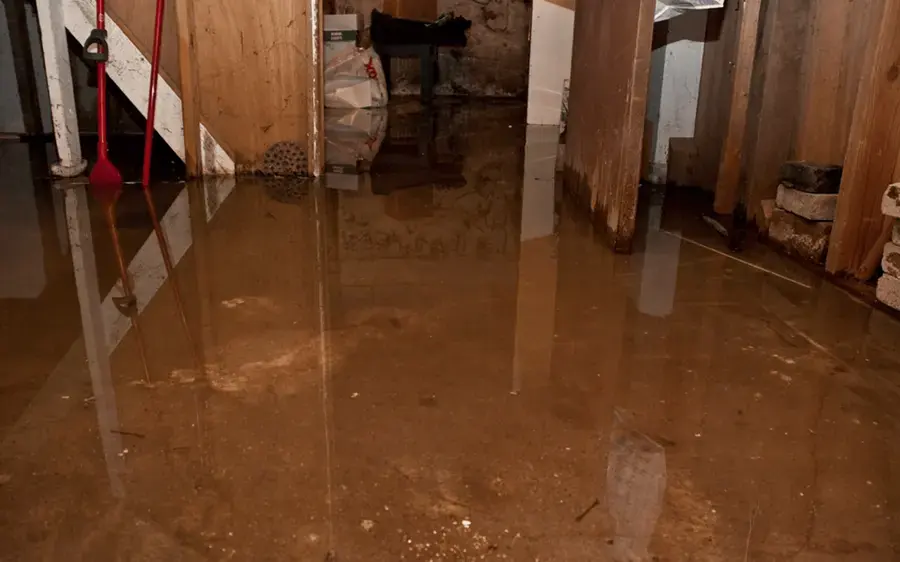
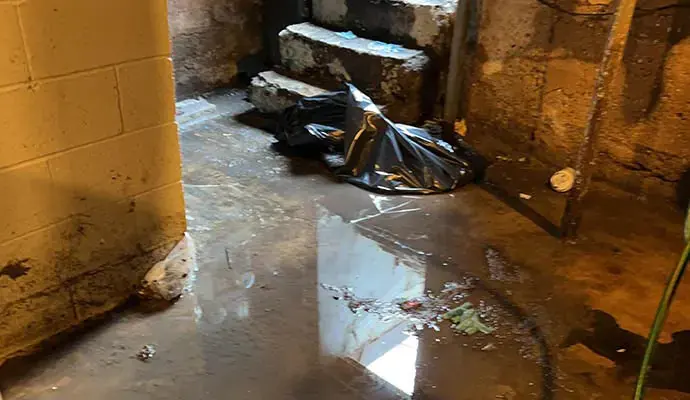
Clean water from a supply line can often be dried in place. Sewage cannot. It carries bacteria, viruses and parasites, so the industry treats it as Category 3 from the first minute. The mitigation team works in protective gear, sets up containment so contaminated air and dust stay in the work area, and runs HEPA air scrubbers while the work goes on.
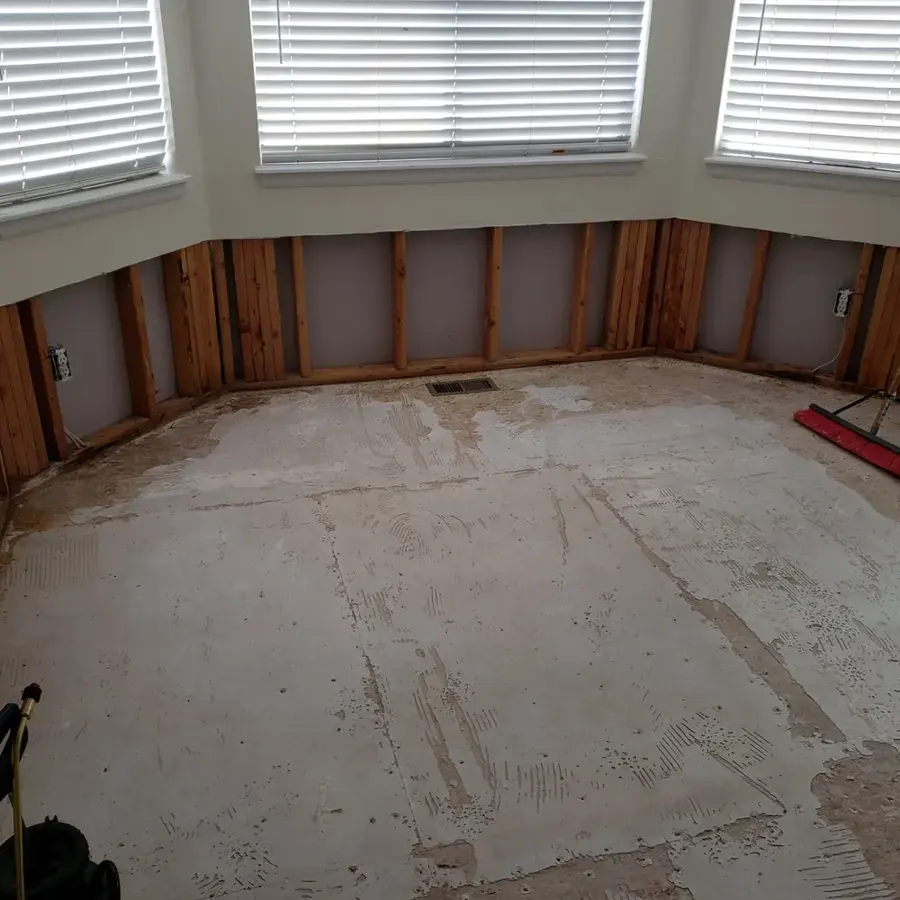
- Carpet, pad, drywall and insulation the water touched are removed and bagged
- Hard surfaces are cleaned and treated with an EPA-registered antimicrobial at its dwell time
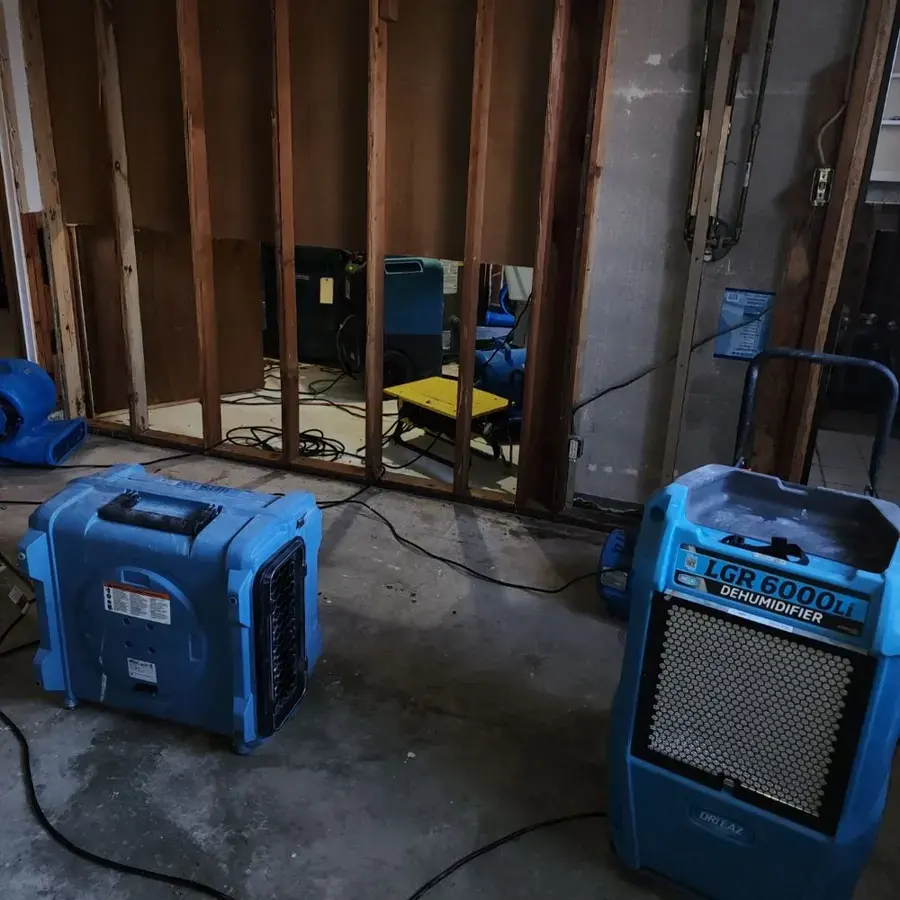
- The remaining structure is dried and checked with meters
Where Brighton sewage backups start
In Brighton, the backups show up at the lowest drain in the house, which is almost always a basement floor drain, shower or toilet. Tree roots in older clay or cast iron building sewers around Downtown Brighton, grease and wipes in the line, and heavy summer storms that overload the system are the usual causes. Newer homes in Brighton Crossing and Prairie Center see them too, usually from a blockage in the building sewer.
A backwater valve on the main sewer line lets water leave the house but stops it from coming back in. A plumber can say whether one fits your line.
After the cleanup
Once the cleaning and drying are verified, rebuilding can begin. OSHA flood cleanup guidance explains why protective equipment matters around contaminated water, and the EPA covers why damp materials need to dry quickly. If the backup came with storm water, see storm and flash flood cleanup; for clean-water basement losses, see basement flooding cleanup.